
What can be made from “big data x too-good-to-waste fish”?
“Products Utilizing Unused Fish Made by
‘Communities Facing Fishery Issues x Distribution Channels’” presentation event (July 5)
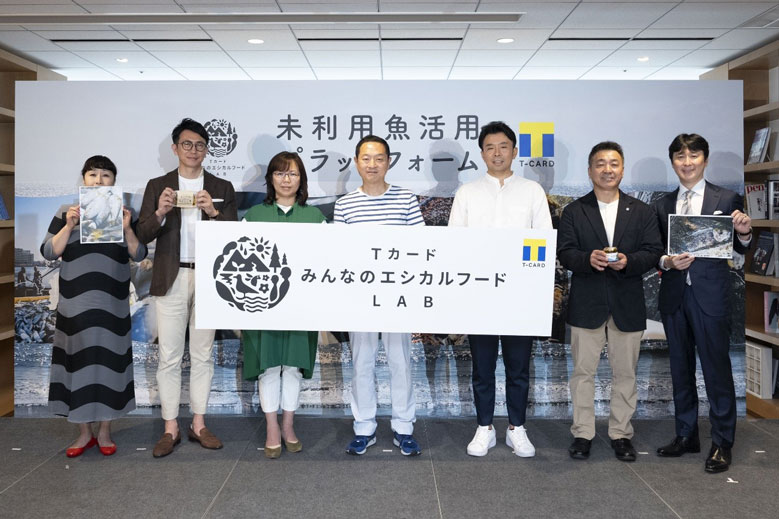
CCCMK Holdings Co., Ltd, the company that operates T-Card, is working on a product development project that matches regions facing fishery issues of “unused fish” that are caught in the region but not circulated in the market for reasons such as “time-consuming processing” or “lack of eating culture”, with distribution companies that handle the process from the making of the product to sales.
On Wednesday, July 5, we conducted the presentation event of the developed product.
Fullhouse associates itself with “T-Card Ethical Food Lab for Everyone”, an initiative in charge of this series of activities. We have taken part in the project since 2022 and support their PR.
The presentation event saw many people from the media; we realized their high interest through their coverage on TV and various other media outlets regarding the circumstances surrounding fishery and the uniqueness of this project.
Let us explain this project a little…
The product was developed by a group of stakeholders associated with food from different standpoints, such as the producers, business owners, and distributors of the participating region, using the big data from 130 million T-Card members (*1). We also had T-Members with a high interest in ethical food represent the consumers in participating in the project.
(*1) The big data is utilized in the concept, flavor, and package development of the product.
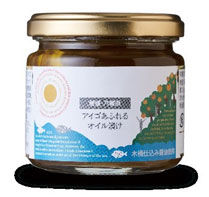
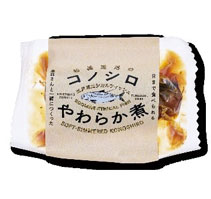
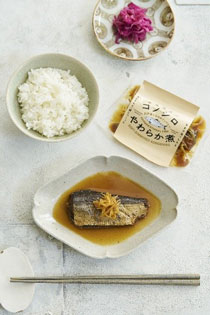
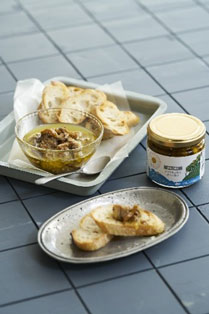
This initiative saw the matching of “Yawatahama, Ehime Prefecture”, Shikoku region’s best fishing ground, and “Funabashi, Chiba”, the city that takes Tokyo Bay as its fishery stage, with manufacturers/distributors “Kodawariya” and “Shinanoya”. With the T-Members who incorporate ethical food practices in their lives, they utilized unused fish, namely “aigo (mottled spinefoot)” and “konoshiro (dotted gizzard shad)”, to develop two products: “Bottle Full of Aigo in Oil” (distributed by Shinanoya) and “Soft-Simmered Konoshiro” (distributed by Kodawariya).
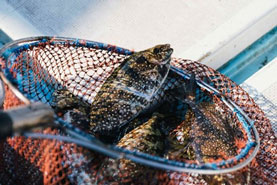
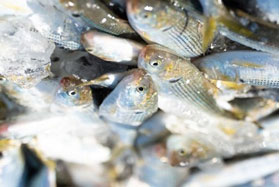
Fishery, one of Japan’s proud primary sectors facing some of the most severe circumstances, and regions confronting fishery issues join forces with the distribution industry, where you usually shop, to explore food sustainability and create new products.
Today, it is said that 35% of the catch landings around the world are discarded due to size and some other reasons. Also, Japan’s fishery production has gone down to one-third (*2) of its peak in the 1980s. The decline in catch landings has led to the downfall of the fishermen’s incomes, which causes a serious problem of the lack of successors. In order to get out of this vicious circle of fishery, including this lack of torchbearers, and for everyone involved in fishery to become vital, it may be important not to increase the volume of fish caught but to actively consume fish that could be discarded as “unused”.
(*2) Ref. “The State of World Fisheries and Aquaculture 2022” published by The Food and Agriculture Organization (FAO)
(*3) Ref. “White Paper On Fisheries” (FY 2018 / FY 2020)
For more information, go to the following websites (Japanese language only):